

What is a bilingual school? What parents in Hanoi should understand
Understanding what a bilingual school really is
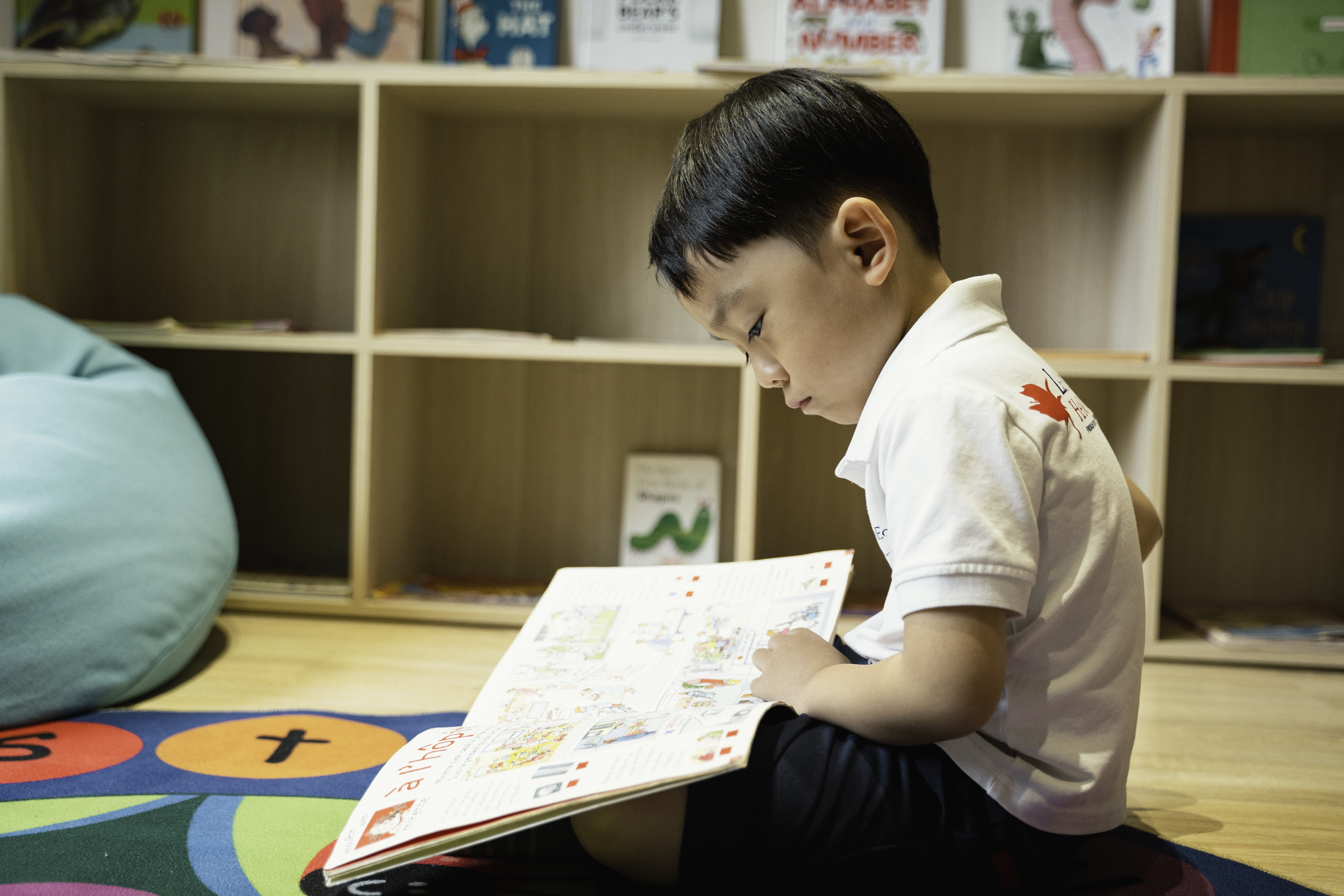
A bilingual school is not simply a place where children learn a second language alongside their regular subjects. At its core, it is an environment where two languages are used as active tools for learning and thinking.
Children are exposed to both languages in meaningful contexts throughout the school day. Over time, they begin to associate each language with specific activities, ideas, and interactions. This is what allows language acquisition to feel natural rather than forced.
Instead of memorizing vocabulary in isolation, students gradually build the ability to understand, express, and reason in two languages – an ability that becomes deeply embedded in how they learn.
How bilingual learning is structured
Behind every effective bilingual program is a carefully designed structure. The balance between languages is intentional, and the goal is always to support both academic progress and language development simultaneously. In practice, this often means that children move between two linguistic environments during the day or week. Certain subjects may be explored in one language, while others are approached through the second language. Over time, this rhythm creates familiarity and confidence. What matters most is consistency. When the program is well implemented, children do not experience confusion. Instead, they develop the ability to switch between languages fluidly, without losing comprehension of the subject matter.
Why bilingual education makes a difference
The impact of bilingual education goes far beyond language skills. It influences how children think, interact, and adapt to the world around them.
Children who grow up learning in two languages often demonstrate a higher level of mental flexibility. They become more comfortable navigating complexity, shifting perspectives, and approaching problems from different angles.
At the same time, their communication skills tend to develop in a more nuanced way. Being able to express ideas across languages encourages clarity of thought and sensitivity to context.
There is also a cultural dimension that cannot be overlooked. Exposure to multiple languages naturally introduces children to different ways of seeing the world. This early awareness often translates into openness, curiosity, and respect for diversity – qualities that are increasingly valuable in an international environment.
A Bilingual Approach at La Petite Ecole Hanoi
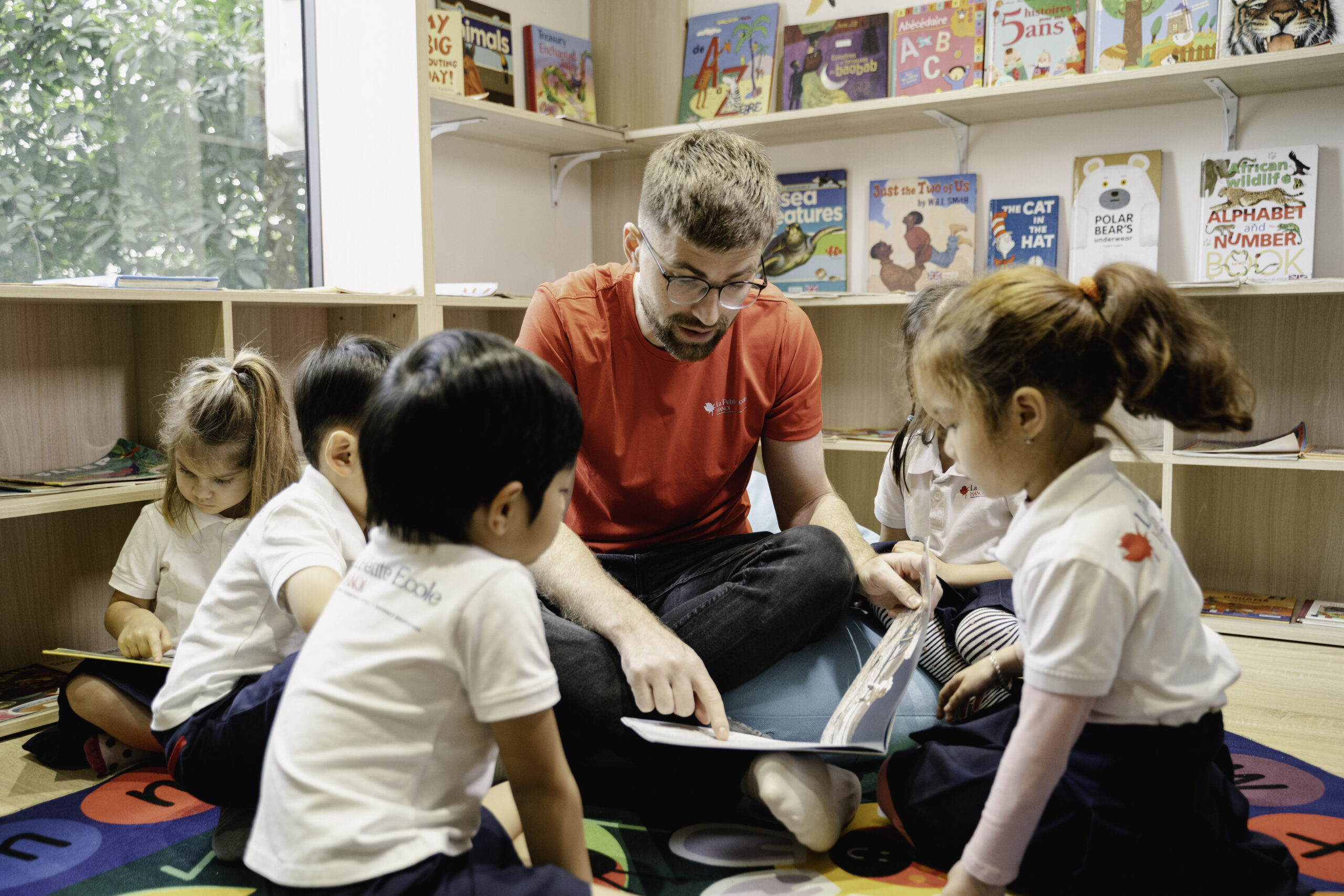
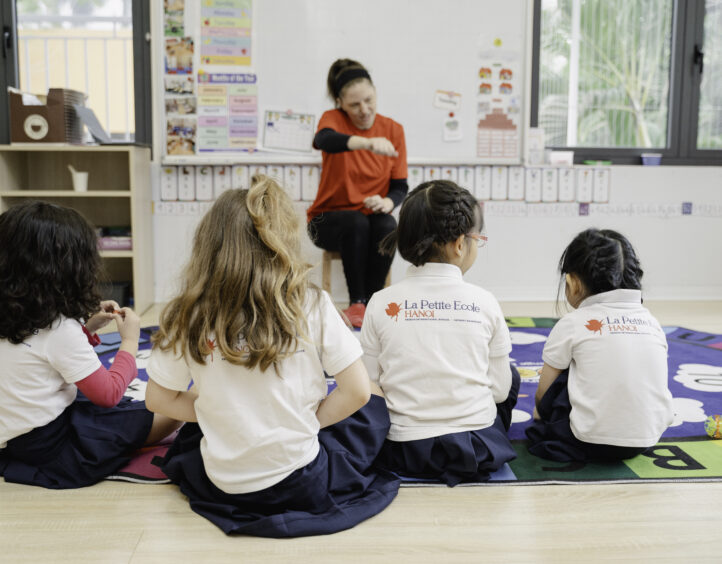
At La Petite Ecole Hanoi, bilingual education is approached as a long-term developmental journey rather than a short-term objective. The school’s French-English program is designed to create a genuine balance between the two languages, while maintaining a strong academic foundation inspired by international standards. Children are not expected to “keep up” with both languages immediately; instead, they are guided progressively, with attention to their individual pace. The classroom experience reflects this philosophy. Students interact daily with teachers from different linguistic backgrounds, allowing them to experience both languages as living, functional tools rather than abstract subjects.
Immersion and Teaching Philosophy
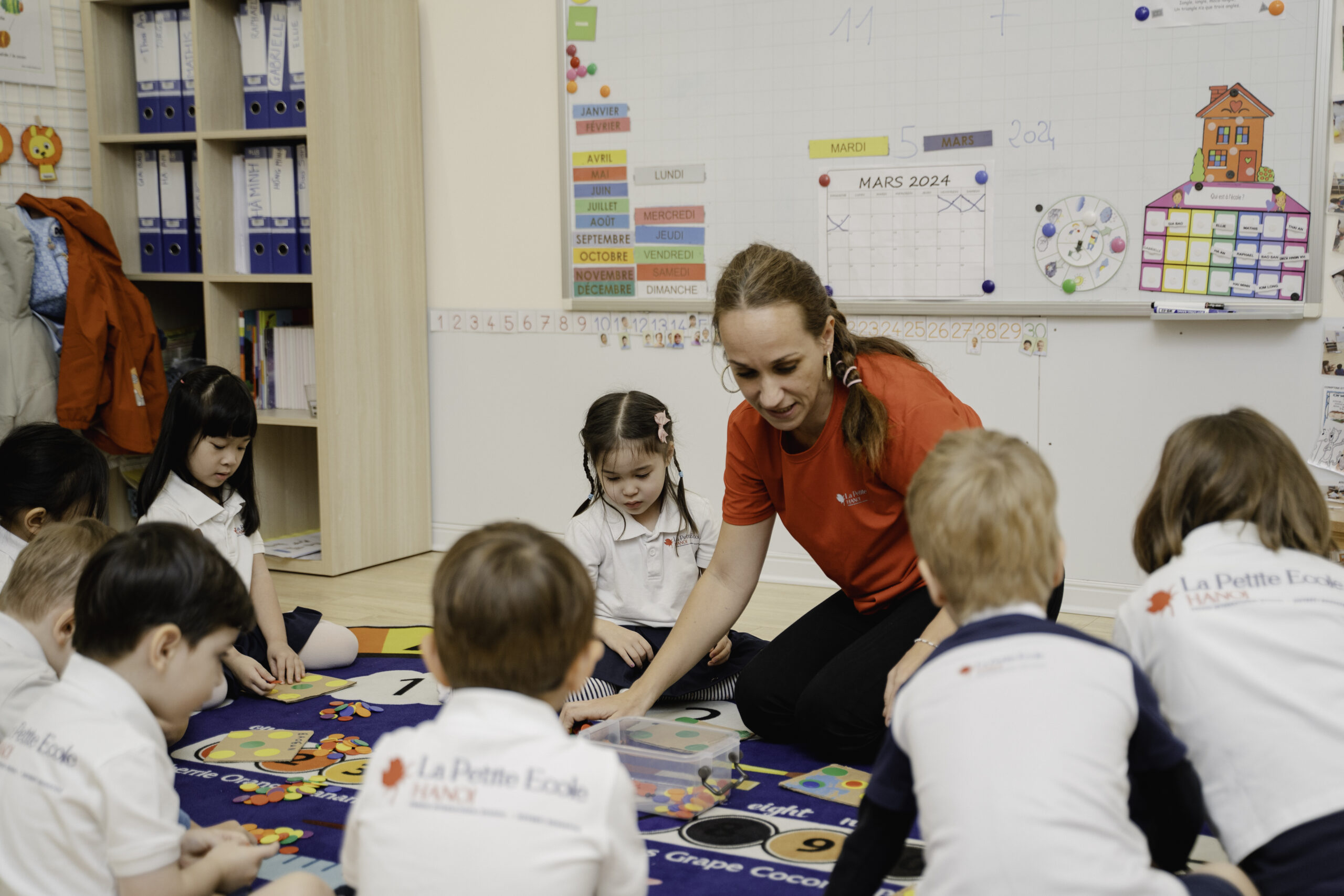
What distinguishes a strong bilingual environment is the quality of immersion. At La Petite Ecole Hanoi, immersion is not about intensity, but about continuity and coherence. From the early years, children are placed in situations where each language has a clear role. Over time, this creates a sense of stability: they know when and how to use each language, and they gain confidence through repetition and meaningful interaction. Support systems are also in place for children who are new to one of the languages. Rather than creating pressure, the school ensures that every child can gradually access the curriculum, regardless of their starting point. This balanced approach helps prevent frustration while maintaining steady progress.
Choosing the Right Bilingual School in Hanoi
For parents, selecting a bilingual school involves more than comparing brochures or curricula. It requires understanding how the school’s approach aligns with the child’s needs and the family’s expectations. One of the first aspects to consider is the academic framework. A well-structured and internationally recognized program provides reassurance in terms of quality and continuity. Equally important is the teaching team. The presence of experienced, well-trained educators - especially those who are native speakers - plays a crucial role in how effectively children engage with each language. The learning environment itself should not be underestimated. A school that fosters curiosity, emotional security, and daily interaction in both languages will naturally support deeper learning. Finally, parents should think ahead. A bilingual program should open doors, not limit them. Whether the child continues within the same system or transitions to another international pathway, the skills acquired should remain relevant and transferable.
Final Thoughts
Bilingual education is often seen as an advantage, but its true value depends entirely on how it is delivered.
When thoughtfully implemented, it becomes much more than language learning. It shapes how children think, how they communicate, and how they relate to the world around them.
For families in Hanoi, choosing the right bilingual school is therefore not just an academic decision – it is a long-term investment in a child’s development.
At La Petite Ecole Hanoi, the focus is on creating that foundation: one that supports both academic growth and the confidence to navigate an increasingly global future.